
Major Investment deals across Central London
Last month saw a number of large investment deals, highlighting the strength of the London commercial market in spite of the prevailing economic and political concerns.

Last month saw a number of large investment deals, highlighting the strength of the London commercial market in spite of the prevailing economic and political concerns.

A lot has been hypothesised about the positives and negatives of a potential Brexit but reality is now starting to bear hard on new enquiries for office space in the nation’s capital. A sure sign that the spectre of Brexit has now moved closer to reality as poll results narrow and people in the City of London start to contemplate the very real prospect of Brexit. Recent polls over the weekend have the Leave camp ahead after weeks of trailing behind and the shockwaves of those results have put both brokers and tenants in a state of distress.

The effects of recent, huge advances in technology advancements can be clearly seen in the way office spaces are changing. They used to be the place everyone came to work, however the rise and benefits of remote work means that this is no longer the case. As more people work from home than ever, companies do not need as much physical space. Some companies are taking this even further by introducing hot desking to their offices.
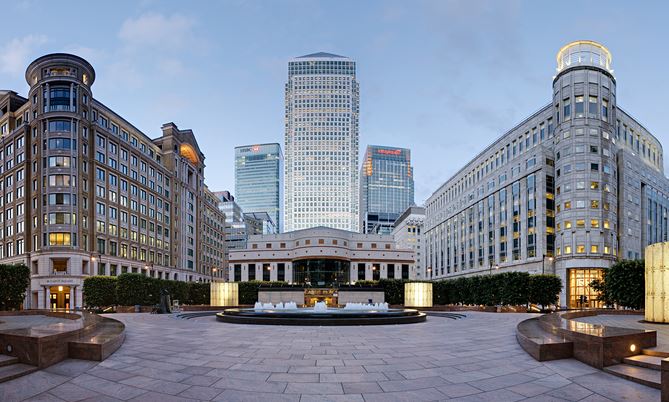
As an iconic business district that has traditionally been a financial epicentre in London, Canary Wharf has always seen a different growth pattern to the other areas in the city. This is predominantly due to a lack of range in the occupiers that elect to locate their businesses on the Wharf.

Morgan Pryce is delighted to announce the recent acquisition of 16,875 sqft in the Shard on behalf of their client DODS. The lease is for 10 years and is the third letting in the Shard this year. This iconic building is changing the nature of London Bridge, to a sought-after destination that caters for a range of occupiers. It provides luxurious, state of the art offices that appeal to both media clients and professional companies.
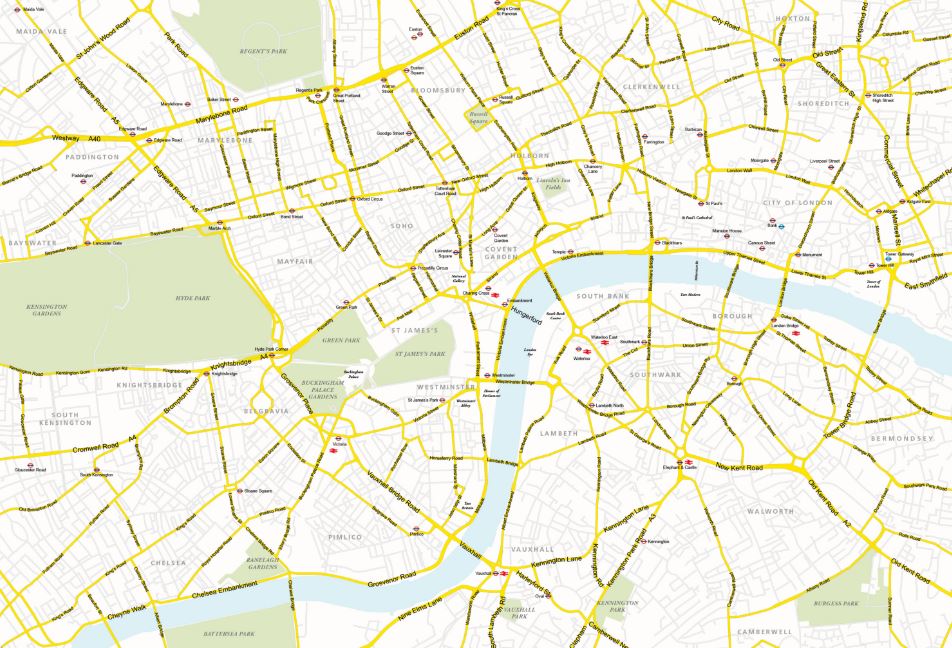
Over the last five years, London has experienced vast growth in its commercial property rent, with an average increase of 70% in rents in 2011. A lack of supply and sustained requirement for space in the capital has resulted in a ‘perfect storm’ for rising rents, and not just in core London markets.

In 2015, the Minimum Energy Efficiency Standards (MEEs) came into play, meaning that from April 1st 2018, it will be illegal for landlords to grant new commercial leases in the UK on buildings with an Energy Performance Certificate (EPC) rating of an F or G. In addition, from April 1st 2023, the same restriction will apply to all lettings.
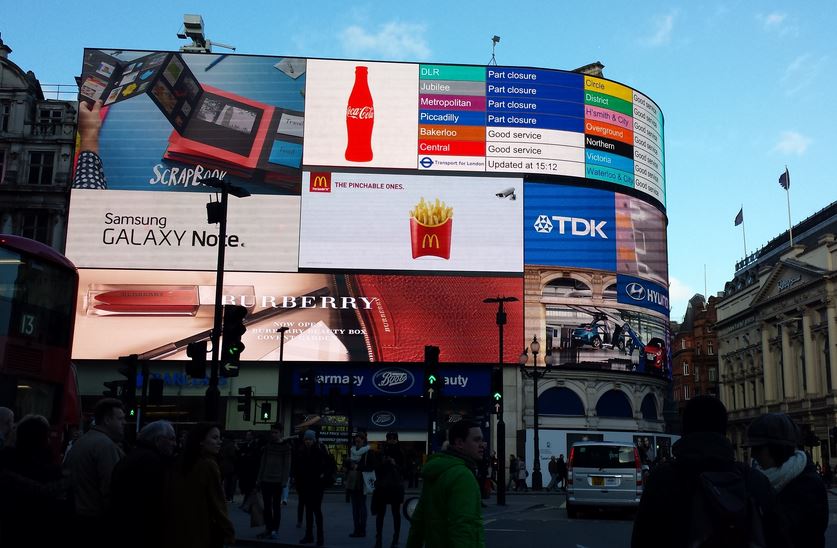
Lately, the commercial office space market has seen a steep increase in the costs for West End space. The all-in cost for occupiers taking Grade A space in the West End is now nearly £220 per square foot – a massive £100 per sq. ft. more than the same grade of office space in the City of London.
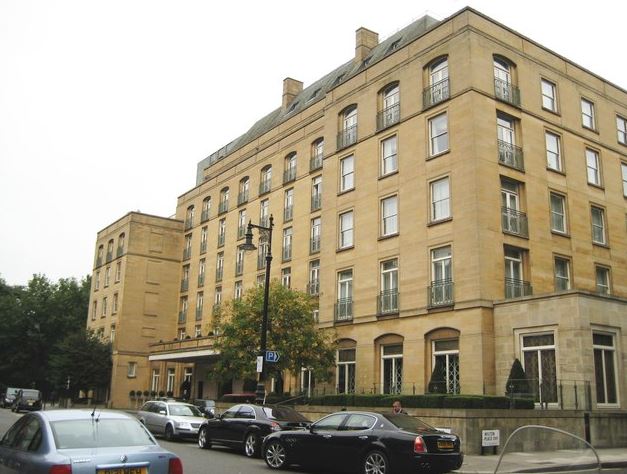
A few years ago, developer Paddy McKillen owned a stake which was over thirty per in a trio of prestigious London hotels, including the Connought, Berkeley and Claridges. High levels of interest from the Barclay brothers to purchase the hotels led to four years of rivalry between the property owners, and over £30 million of legal fees, where the brothers wrongly assumed McKillen would give up his stake in the properties due to pressure on other parts of his business.
How does the upcoming referendum effect the property market? Firstly let’s focus on the construction industry, a large percentage of construction workers are immigrants and with the construction industry already finding it difficult to find skilled workers and immigration restrictions are going to increase construction prices due to the supply. This will increase property prices by both making property more expensive to build and therefore will need higher prices when being sold and also by reducing construction due to the inflated cost and therefore decreasing supply.